Where backflow devices are found
- On the incoming service of restaurants, clinics and plazas
- Ahead of fire sprinkler systems
- On boiler and chiller make-up water lines
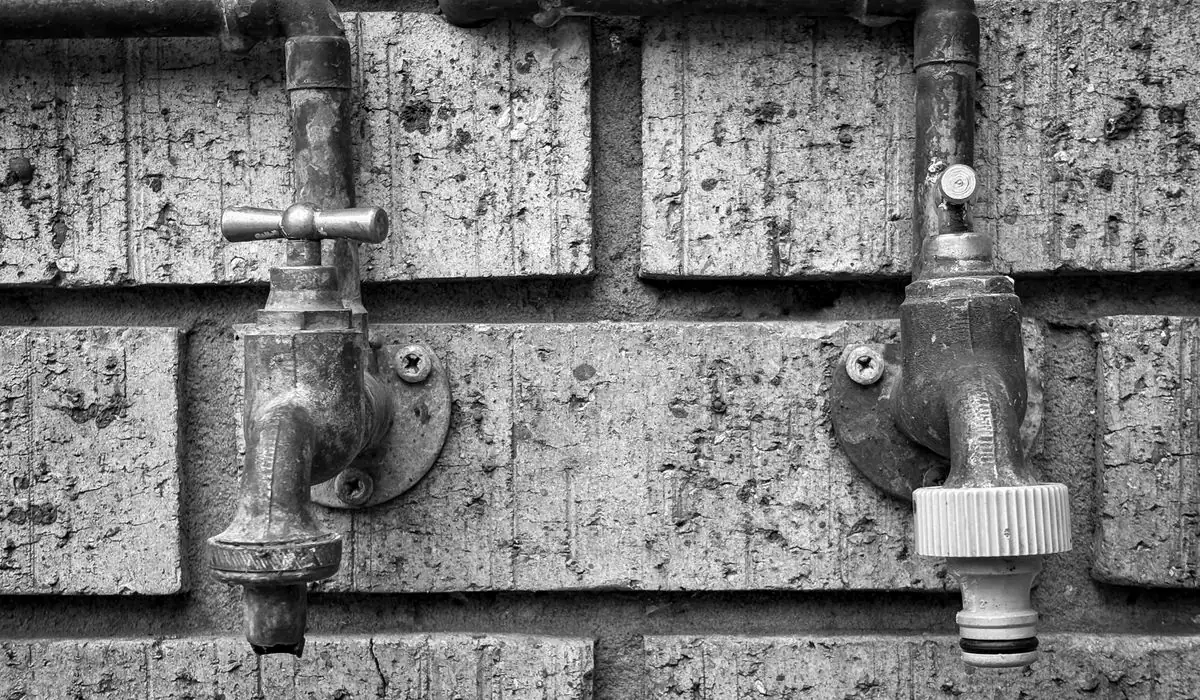
- On irrigation systems and hose connections
- On equipment such as soda machines and dental chairs
What we bring
- Cartridges, stems, seats, O-rings and repair kits
- Quarter-turn stops and compression sleeves
- Differential pressure gauge and seat tools
Tested before we leave
- Valve cycled fully open and closed
- Hot and cold checked at the right sides
- Drips watched for ten minutes
Signs a device needs attention
- Water discharging from the relief port
- The annual test is overdue
- A test tag is missing or unreadable
- Low pressure downstream of the device
- Visible corrosion or a leaking test cock
Our test routine, in order
- Device make, size and spot on the service are noted first.
- Water is shut off downstream for a short period, with notice to staff.
- A calibrated test kit is connected to the test cocks.
- Each check valve and relief valve is measured against its limit.
- The device is reopened and the results are recorded.
If the device fails
- Rubber parts and springs are renewed with a repair kit where possible
- Badly worn or obsolete devices are replaced like for like
- The device is retested after the repair
- You receive the result for your records
Rules worth knowing
Toronto has required certain properties to install and test backflow prevention devices, with results reported to the City. Rules and due dates change from time to time, so confirm with Toronto Water what applies to your building today. We can tell you what is on your service and what it protects.