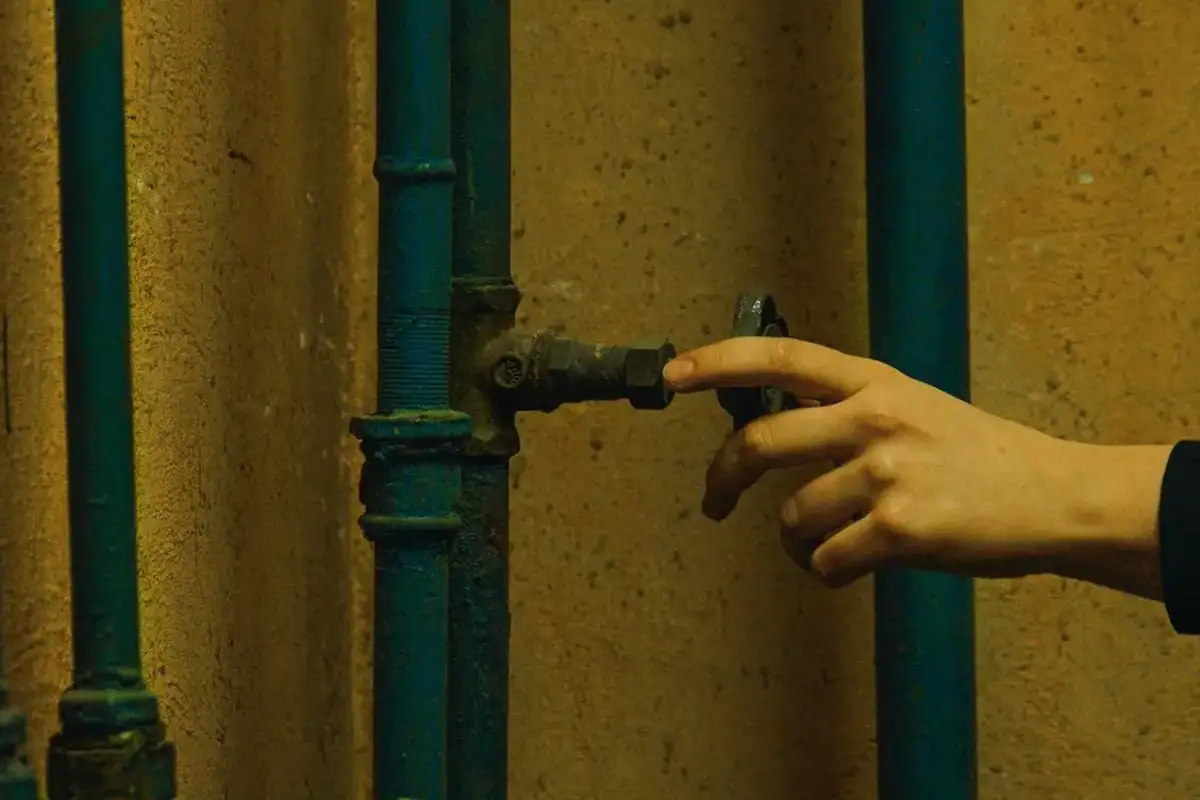
The plumbing inside Etobicoke houses
Every call starts with what is actually in the walls. A 1930s house off the Kingsway usually has a cast-iron soil stack with leaded hub joints and a clay lateral running under a front-yard maple. A wartime storey-and-a-half in New Toronto tends to carry galvanized supply that has rusted shut to half its bore. The 1960s split-levels in Markland Wood and Eringate run on copper that is now pinholing, and the lakeshore towers at Humber Bay Shores bring in-suite shut-offs, PEX branches and shared stacks. Knowing which one we are standing in tells us which cable head, which cutter and which fittings to carry down the basement stairs.
Drains and clogs: most of our week
Kitchen lines packed with grease at the wall arm. Bathroom sinks and tubs choked with hair wound around the pop-up rod. Toilets blocked by wipes. Basement floor drains that come up during the laundry rinse cycle. We clear them with the right tool for the pipe: a hand auger for a trap, a sectional cable with a cutting head for a cast-iron main, a hydro-jetter for grease that has coated the pipe wall. When a main line keeps coming back, we push a camera down it and show you the root mass, the sag or the cracked hub on the screen.
- Kitchen, bathroom, tub and shower drains cleared and flow-tested
- Main sewer lines cabled from the cleanout and inspected by camera
- Floor drains, backwater valves and sump pits cleaned and checked
- Toilets augered, or lifted off the flange and bedded on fresh wax when the base seeps
Pipes, valves and water heaters
We cut out pinholed copper and sweat in new sections, replace rusted galvanized runs with copper or PEX, swap seized gate valves at the meter for quarter-turn ball valves, and thaw or replace lines that froze along an outside wall. Gas and electric tank water heaters are drained, disconnected, carried out and replaced, with the relief valve, expansion tank and venting checked before the burner is lit. Faucets, shower cartridges, toilet fill valves and hose bibs round out the list.
How the call goes
You phone (365) 816-2905 and tell us what the water is doing. If it is still running, we talk you through closing the main or the fixture stop while the truck is on its way. On site we look before we cut, explain the fault in plain words, agree the repair, and test the work under pressure or full flow before we leave. Old parts go out with us.
Want to read up first? The plumbing logbook covers frozen pipes, sewer roots, sump pump care and the questions we answer at the bottom of basement stairs every week. Or go straight to the list of plumbing jobs and the communities we cover.