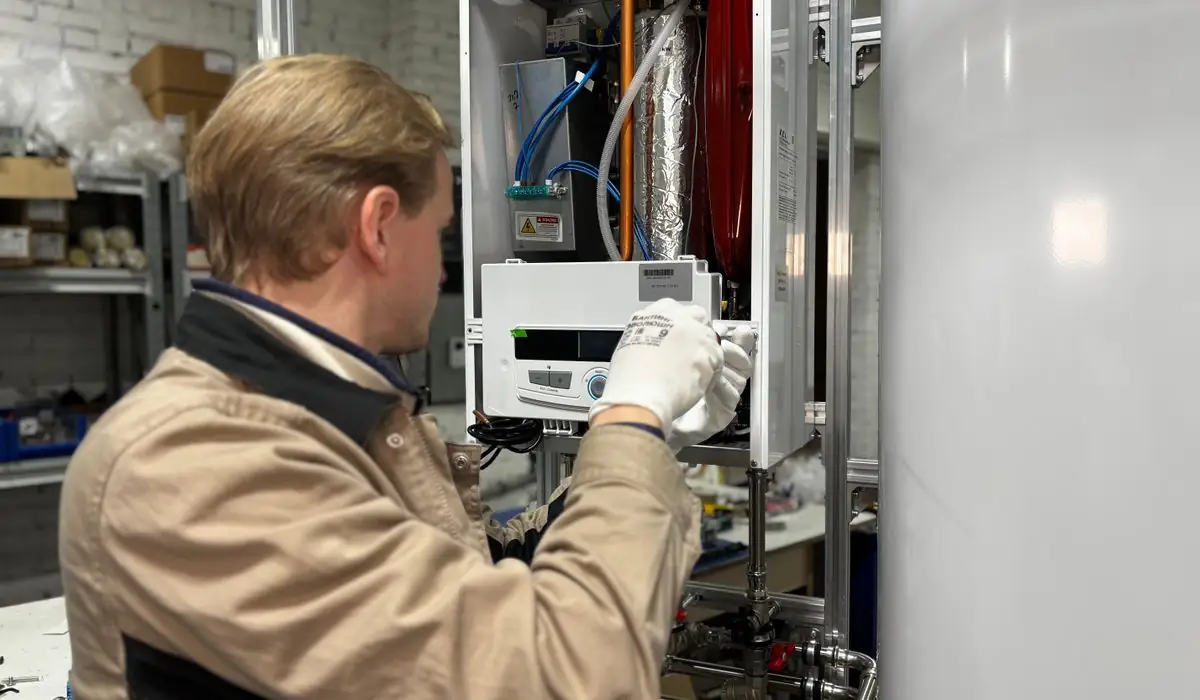
Telltale signs: water heater repair
A water heater tends to give warning before it stops completely. You might notice the hot water running out sooner, a rumbling as the burner fires, rusty tint in the tub, or dampness around the base. Each symptom points somewhere different, and the right fix depends on reading them correctly.
- No hot water at all: pilot, thermocouple, igniter, gas supply or, on electric models, elements and thermostats
- Not enough hot water: a failed dip tube, sediment, a lower element gone, or simply a tank too small for the household
- Water on the floor: a weeping relief valve, loose fitting, or a tank that has corroded through
- Odd smells: sulphur odour often relates to the anode rod reacting with the water
What we bring
- Drain hose, flux, torch and press tools
- Relief valve, dielectric unions, expansion tank
- Combustion and venting test gear
Tested before we leave
- Relief valve discharge pipe checked
- Gas or power connection leak-tested
- Hot water drawn at the furthest tap
On the job: what we open, clear and test
We begin with safety. On gas units we check the venting and the burner area, looking for scorch marks or signs of spillage. On electric units we isolate power at the panel before opening covers. From there, it is methodical testing: thermocouples with a meter, elements for continuity, the relief valve by lifting its lever, and the drain valve for a steady seal.
When a part has failed, we explain what it does and show you the old one. If the tank itself is leaking, repair is not possible, and we will say so plainly. At that point, options include gas water heater replacement or an electric water heater installation.
What can change the job
- Age of the unit, since parts for older models can be harder to source
- Fuel type and venting style, including power-vented models with fans and pressure switches
- Clearance around the tank in a crowded furnace room
- Condition of the shut-off valve, which sometimes needs replacing before anything else can be done
Etobicoke homes and this job
Toronto's municipal water is moderately hard, so sediment builds steadily in the bottom of tanks. The crust sits between flame and water like a blanket, burns extra gas and causes the popping noise many owners hear. In split-level homes common in neighbourhoods like Willowridge, the heater often shares a cramped utility room with the furnace, so access and ventilation need attention during any repair.
If your basement holds a heater and also has a history of water problems, our guide to backwater valve care is worth a read while you are thinking about the space.
Before you call
Write down the make, model and age shown on the label. A smell of gas means everyone outdoors and a call to the utility before anything else. If the tank is leaking, turn the cold-water supply valve at the top off and, for electric heaters, switch off the breaker. Move stored items away from the base so we can work cleanly.