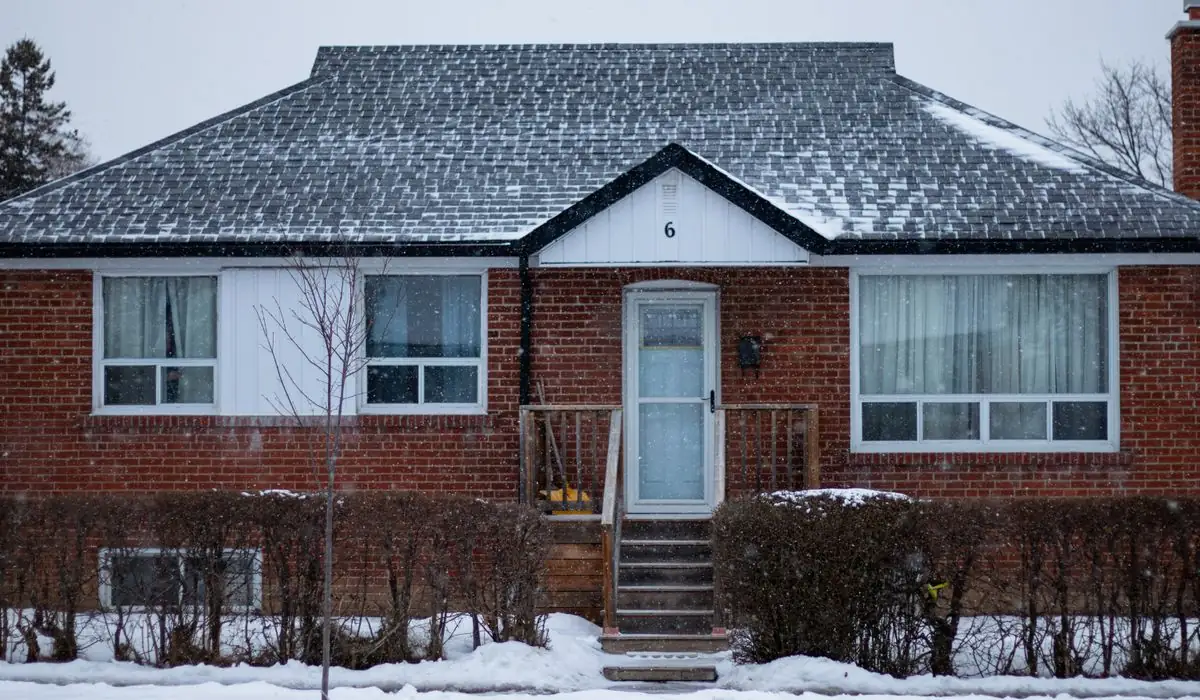
New Toronto houses and their plumbing
New Toronto grew up as an industrial town on the lakeshore, and its housing reflects that history. Narrow lots carry modest brick and frame homes from the 1920s through the 1950s, many built for workers at the factories that once lined the rail line. Since then, a good number have been extended upward or rebuilt, and new townhouses now sit beside older bungalows on streets running down toward Lake Shore Boulevard West and Colonel Samuel Smith Park.
That mix means plumbing can vary greatly from one house to the next. Some still run original galvanized supply pipe and cast iron drains; others were gutted and redone with copper or PEX within the last twenty years.
What fails in these pipes
- Slow main drains caused by clay laterals and tree roots from mature street trees.
- Older water services, including lead pipe in many pre-1955 houses.
- Basement dampness on lots close to the lake where the water table sits high in spring.
- Tight mechanical rooms where water heaters and furnaces share a cramped corner.
Many New Toronto basements were finished decades after construction, so cleanouts and shut-offs are sometimes concealed behind drywall. Finding them is often the first part of a visit.
Jobs we take on here
Drain work is the most frequent request. Routine drain cleaning handles slow sinks and tubs, while a main line backed up by roots may need clearing, a camera and, eventually, sewer line replacement if the clay has failed along its length. We also replace water heaters, fit new shut-off valves, repair leaks and take on bathroom renovations, which are popular in these compact homes.
For homeowners who have bought an older house here, a camera inspection of the lateral and a look at the incoming water service is a sensible first step. Neither job is dramatic, but both answer questions that matter for years.
Under the floor: what we open up
New Toronto houses commonly mix galvanized supply with later copper repairs. We look for the dark, narrowed threaded fittings that choke water pressure and swap them section by section, and we clean the cast-iron floor drain grate that usually sits under the laundry. Call (365) 816-2905 and describe what the water is doing at that fixture.